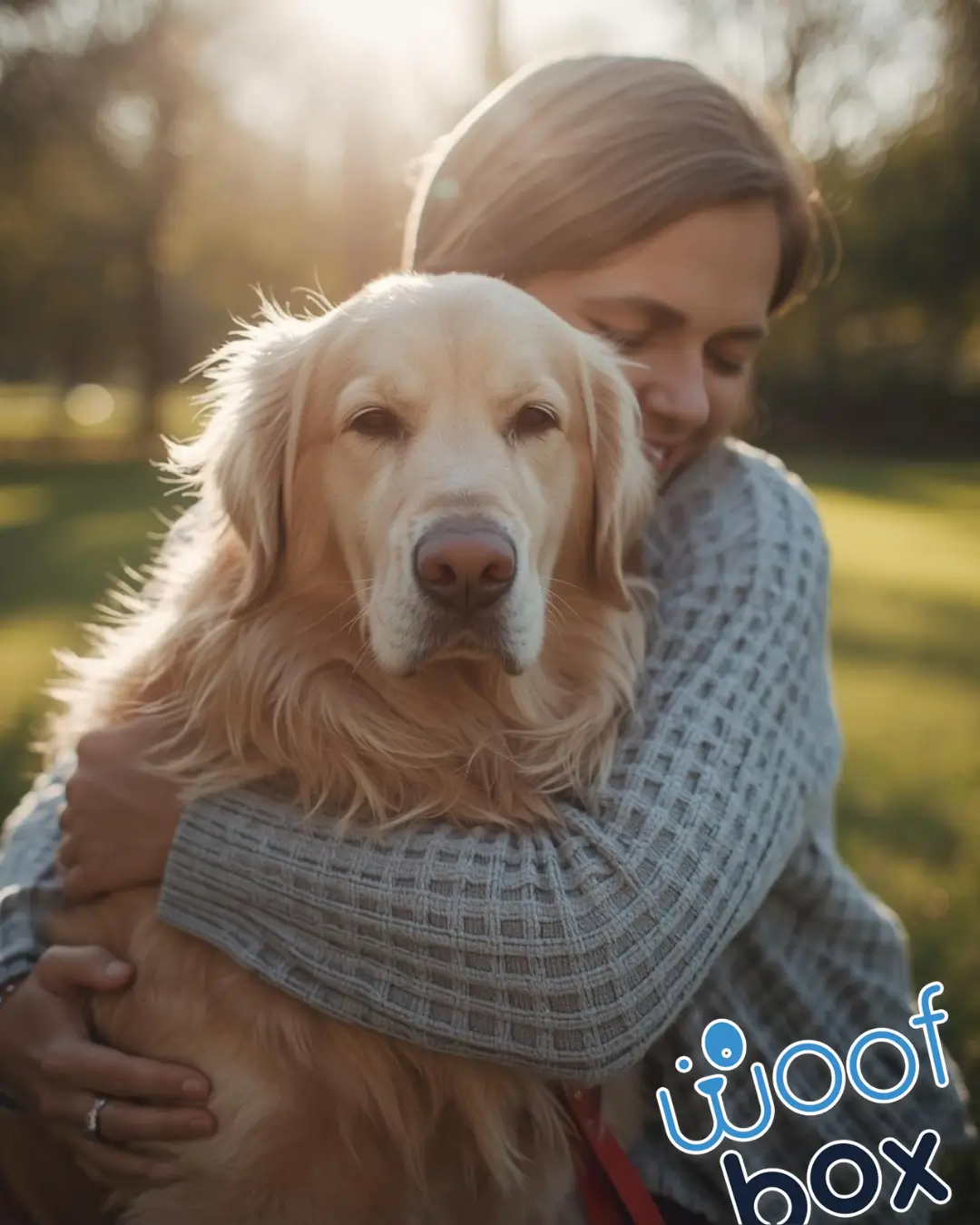
Dog love languages might not involve roses or heart-shaped treats, but your dog absolutely has preferences when it comes to feeling safe, connected and understood.
We say “I love you” to our dogs all the time. The real question is… are we showing it in ways they actually understand?
Dogs experience affection through routine, play, tone of voice, touch and shared activity. When we tune into their version of love, the bond deepens, behaviour improves, and everyday moments feel richer for both of you.
Let’s explore the five dog love languages and how you can use them this February and beyond.
If your dog could plan a romantic date, it would probably involve 23 lampposts and one extremely suspicious hedge.
Sniffing is not “wasting time.” It is cognitive work. Research shows that scent work can lower stress levels and encourage optimistic behaviour in dogs. A 2019 study published in Applied Animal Behaviour Science found that dogs given more opportunities to sniff displayed more positive emotional states than dogs walked at a controlled pace.
Sniffing also activates large portions of the canine brain. According to Alexandra Horowitz, author of Being a Dog, a dog’s nose is their primary way of understanding the world.
How to show this love language:
Shorter but richer walks can be just as beneficial as long, rushed ones.

Not all dogs enjoy constant hugging. In fact, some find it stressful.
Research from the University of British Columbia found that many dogs show subtle stress signals when tightly hugged by humans. This article talks about the research from Professor Stanley Coren. Meanwhile, mutual eye contact between dogs and owners has been shown to increase oxytocin levels in both, strengthening bonding.
Affection is powerful when it respects your dog’s comfort.
How to show this love language:
Love works best when it feels safe.
Dogs thrive on predictability. Consistent routines reduce anxiety and help them feel secure.
RSPCA Australia’s blog on enrichment explains that enrichment provides mental stimulation, reduces stress and anxiety, and prevents problem behaviours, emphasising that dogs need activities that engage their minds and bodies. Mental stimulation is not optional. It is part of responsible care.
Acts of service for dogs include:
Introducing mentally stimulating toys and rotating textures can prevent boredom and destructive behaviours. This is exactly why we focus on mixing plush, rope and tougher play styles inside our Toy Box and subscription boxes. Variety keeps minds engaged, not just mouths busy.
Small acts build big security.
For more guidance on enrichment, read our other articles “Are Dog Toys Meant To Be Destroyed?” and “A Dog’s Sense Of Smell: Fun Facts and Sniffing Games!“
Yes, dogs enjoy new things. Not because they are spoiled, but because novelty activates dopamine in the brain.
New textures, sounds and play patterns stimulate curiosity. Even reintroducing a toy after a short break can feel brand new.
How to show this love language:
Novelty does not mean excess. It means thoughtful engagement.

Your dog does not understand every word, but they absolutely understand tone.
Research has shown that dogs process emotional tone similarly to humans. Positive vocal tone increases engagement and strengthens recall training.
How to show this love language:
Your voice is one of the strongest bonding tools you have.
Understanding dog love languages is not about doing more. It is about doing what matters.
Love can look like:
With Valentine’s Day and Love Your Pet Day approaching, perhaps the best gift is understanding.
If you would like to explore more ways to keep your dog mentally and physically engaged, you can browse our exciting range of dog gift boxes, all designed with enrichment and variety in mind.
Because they show nothing but 100% real love and they deserve to receive that too!