It’s difficult to understand why or how some dogs get anxious but if your dog ever hides behind the sofa, paces the room, or barks at absolutely nothing, this could be a sign that your dog isn’t happy. Anxiety in dogs is incredibly common, and like us, our four-legged friends can feel a bit overwhelmed by the world from time to time.
Dog Anxiety Awareness Week is here to shine a light on something that often goes unnoticed—or misread. So let’s talk about what anxiety in dogs looks like, why it happens, and how we can help them feel a little safer, calmer, and more secure in the world around them.
There’s no single reason dogs experience anxiety. It can come from their past, their environment, or just be part of their personality. Some dogs get nervous when they’re left alone (separation anxiety). Others might feel unsettled by loud noises, unfamiliar people or places, or changes in routine.
Rescue dogs are often more prone to anxiety—especially if their early experiences weren’t exactly picture-perfect. But even dogs raised in loving homes can struggle with things like boredom, under-stimulation, or not knowing where they fit in the household.
And like humans, dogs sometimes just have anxious brains. It’s not anyone’s fault—it just is. But we can help.

As dog owners, we want to show our dog love and affection, just like they do for us, and what better way to do it Not all dogs show their anxiety in the same way, and sometimes it’s easy to mistake it for “bad behaviour.” Here are a few common signs:
If your dog does any of these, they might not be being naughty—they might just be asking for help in the only way they know how.
Helping an anxious dog isn’t about ‘fixing’ them. It’s about understanding what they need and creating an environment that makes them feel secure and supported. Here are a few simple ways to start:
1. Give Them a Job to Do
Anxious brains can quickly spiral if they’ve got nothing else to focus on. That’s why toys are brilliant for dogs with anxiety—they provide a healthy outlet for nervous energy and give dogs something productive to do. Chewing, tugging, problem-solving—it’s all mental stimulation, and it helps shift focus from worry to play.
2. Create a Safe Space
This could be a cosy corner with blankets, their bed, and a few favourite toys—or a crate if they’re crate trained. Somewhere they can go when things feel overwhelming. The important bit? They go there by choice, not because they’ve been sent there. It’s their zone, their calm-down den.

3. Keep Things Predictable (When You Can)
Dogs love routine. Knowing when walks, meals, and bedtime happen can ease anxiety. Of course, life’s not always predictable, but even small bits of structure can help your dog feel a little more in control.
4. Use Your Bond
Sometimes, the best thing you can do is just be there. Sit with them. Talk to them. Let them lean on you (literally and emotionally). You’re their safety net—and that connection can be more calming than you realise.
Here’s a gentle activity you can do together that helps reduce anxiety and build your bond: Scent Scavenger Hunt.
Take a few of your dog’s favourite treats (or even their kibble) and hide them around the house or garden. Let your dog sniff them out at their own pace. You can make it easy at first (in plain sight), and then up the challenge by hiding them under boxes or behind furniture.
Sniffing is one of the most natural and calming things a dog can do. It slows their breathing, focuses their mind, and gives them a job that taps into their instincts. Plus, it’s fun—for both of you!
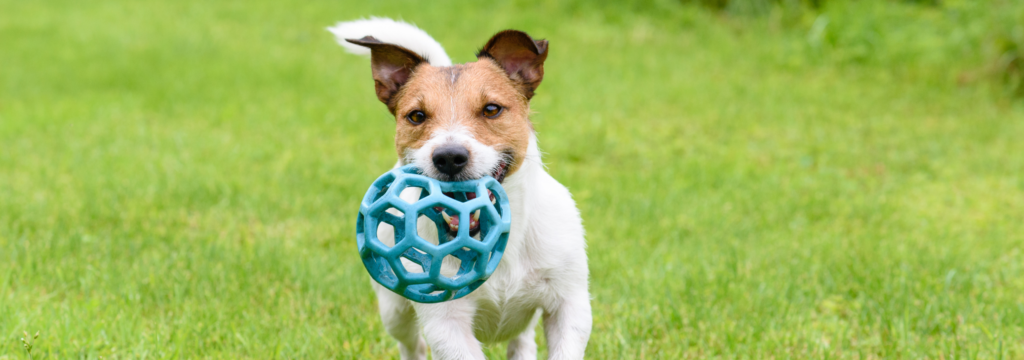
Every toy we include in our Toy Box is selected not just because it’s cute (although, yes, they’re adorable) but because it helps your dog do something. Whether it’s tugging, squeaking, chewing, or cuddling, our toys give anxious dogs an outlet and a distraction—something they can turn to when the world feels a bit much.
We’re all about supporting your dog’s wellbeing—mental as well as physical. And sometimes, a little parcel of joy through the letterbox can be just what they (and you) need to turn a tough day into a better one.
For more expert advice on recognising and managing anxiety, Dogs Trust has a brilliant guide to fear and anxiety in dogs.