As the nights draw in and the clocks go back, you might notice your dog behaving a little differently. The shift in light, temperature, and routine can all play a part — and yes, many owners do see their dogs anxious during autumn and into winter. Shorter days and darker evenings can affect energy, sleep, and even confidence. But don’t worry — with a few simple adjustments, you can help your dog feel calm and settled all season long.
Dogs, like humans, have an internal body clock that responds to daylight. When the days suddenly shorten, it can confuse their natural rhythm. A dog that’s used to an evening walk in daylight might become hesitant or restless once it’s dark outside. Some dogs sleep more, while others become clingier or a little unsure.
If your dog seems out of sorts or more easily startled than usual, it may not be misbehaviour — it could just be part of the seasonal shift that makes dogs anxious more so than normal.

Keep an eye out for changes in your dog’s behaviour:
These subtle signals are their way of showing uncertainty about the changing environment. Offering reassurance, calm routines, and familiar surroundings can help your dog adjust — and the sooner you spot the signs, the easier it is to manage.
A few small changes can make a big difference to those dogs feeling anxious in autumn. Try to get out for walks during daylight hours, especially in the mornings when the sun is low but bright. The natural light and exercise will lift both your moods.
Once it’s dark, make your home a cosy, predictable space. Keep lighting soft but warm, and have your dog’s bed, blankets, and favourite toys nearby. Gentle background music or having the TV on can help mask outside sounds, and a consistent evening routine — perhaps a calm game followed by quiet time — will help them understand it’s time to relax.
Mental stimulation goes a long way toward keeping dogs relaxed. You don’t need to rely on long walks alone — a few minutes of scent work, hide-and-seek with toys, or simple training games can be just as effective.
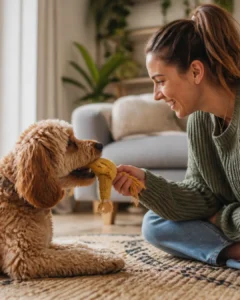
If your dog struggles to switch off, enrichment toys, snuffle mats, or slow feeders encourage them to focus and unwind. These little moments of engagement help replace the excitement of longer daylight adventures.

Routine builds confidence. Try to keep feeding, walking, and bedtime around the same times each day, even as the daylight changes. A quiet evening cuddle, soft music, or a chew toy can help signal that the day is winding down.
Some owners also find that calming treats or natural supplements help take the edge off restlessness. You can read more about that in our blog, Can Calming Treats Help Your Dog Relax?. And if your dog struggles more with loud noises or fireworks during this time of year, check out How to Help Keep Your Dog Calm During Fireworks for extra support.
Shorter days don’t have to mean anxious nights. Understanding how seasonal changes affect your dog — and making small adjustments to their routine — can make autumn feel calm and comforting again. Whether it’s through extra playtime, gentle lighting, or simply more cuddles, you’ll help your dog feel secure and content as the nights draw in.