Dogs can’t tell us when they’re feeling overwhelmed, anxious, or stressed, but they often show it through their behaviour. Knowing the signs your dog is stressed is key to helping them feel safe and calm. Whether you’ve recently adopted a rescue dog or have a puppy prone to anxiety, spotting stress early can prevent long-term behavioural issues. Learn more about common dog behaviours and what they mean.
Panting is normal after exercise, but if your dog is panting heavily at rest or drooling more than usual, it could indicate stress.
What to do:
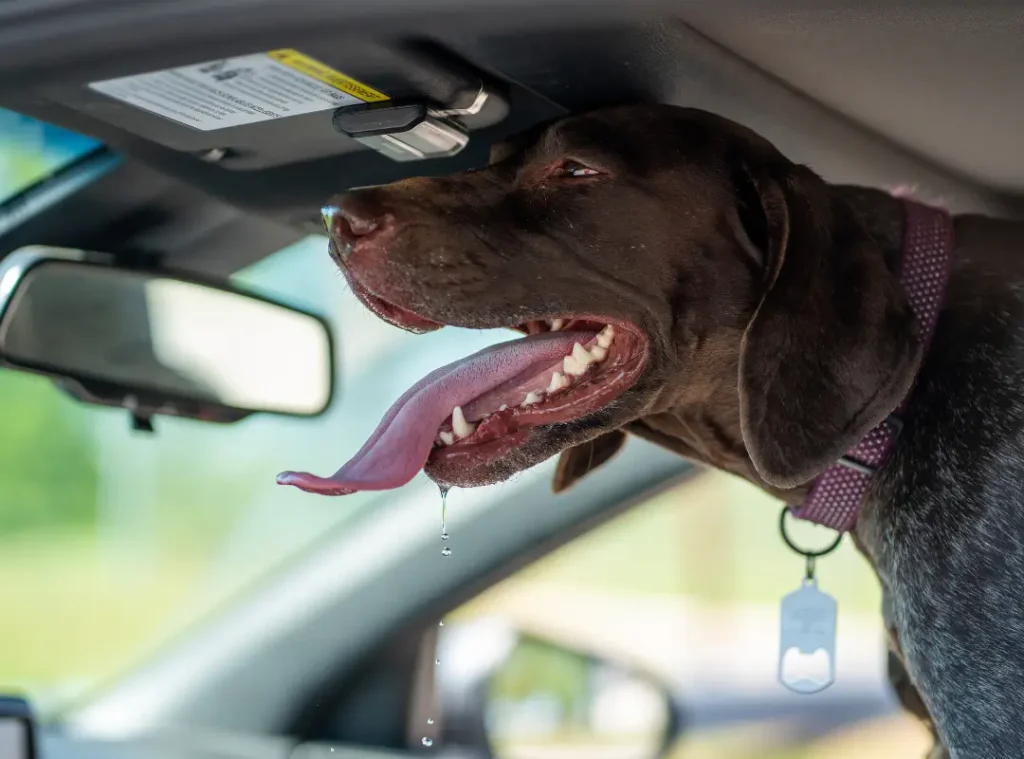
Stress often shows through subtle body cues. Look out for:
Tip: Approach calmly and let your dog come to you rather than forcing contact.
Repeated pacing, whining, or barking can be a sign your dog feels uneasy or overstimulated.
How to help:

A stressed dog may refuse meals or eat less than usual. Digestive changes, like mild diarrhoea, can also appear.
How to help:
Read more about the connection between dog stress and digestive health from K9Connoisseur.
Some dogs react to stress by hiding, avoiding interaction, or showing aggression like growling or snapping.
What to do:
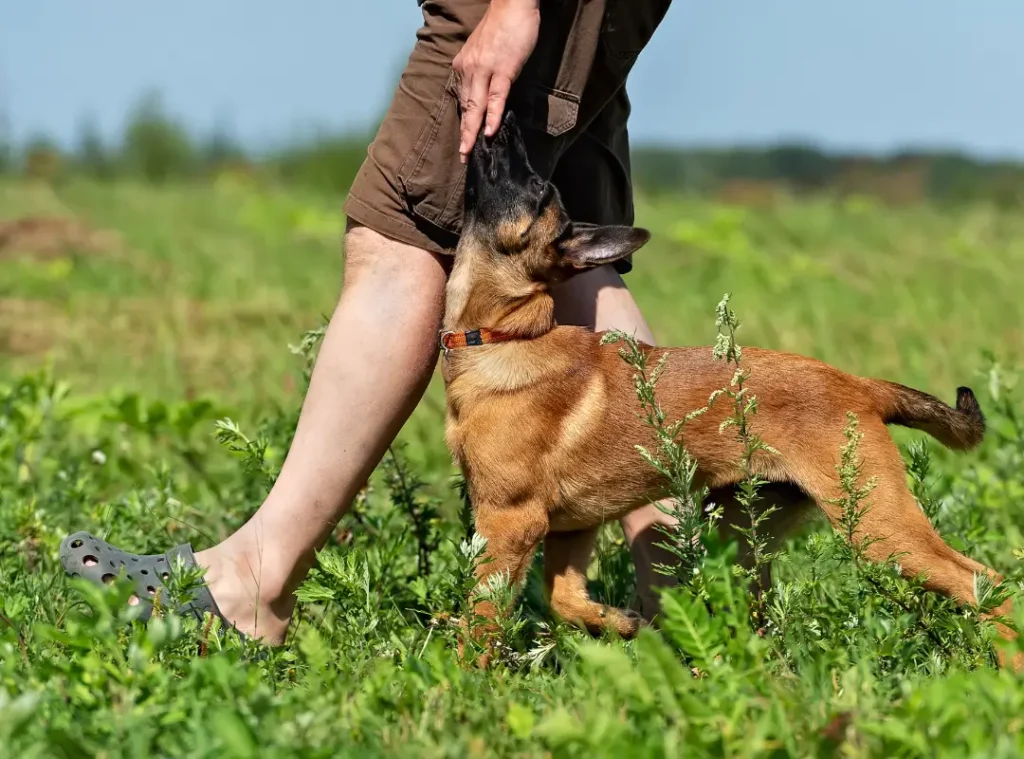
Recognising the signs your dog is stressed early allows you to act before anxiety escalates. By observing body language, behaviour, and changes in appetite, you can provide support and reassurance. Small changes in environment, routine, and interaction can make a big difference. Start helping your dog feel calmer today and enjoy a happier, healthier bond together. Explore more tips on reducing anxiety in dogs.
Enrichment games are great for mental stimulation and keeping your dog’s stress levels down, but if your dog enjoys a challenge — or you want to try something new together — why not teach them a few tricks?
Our Dog Trick Training Guide for Beginners is a fun, gentle way to build your dog’s focus, confidence, and obedience skills at home. It’s designed for real-life dogs and real-life households — no perfect training setups needed!
You’ll learn:
It’s available now in our shop as a digital download. Print it out, follow along, and enjoy that “look what we can do!” feeling together. You can even print out the certificate of achievement and put it up on the wall!
👉 View the Dog Trick Training Guide for Beginners
Reducing stress in dogs often comes down to understanding their needs, maintaining predictable routines, and providing enrichment. Daily walks, mental stimulation, indoor activities and calm, consistent handling can make a huge difference. For more ideas on keeping your dog happy and mentally stimulated, check out our Woofbox subscription options.